26 July 2026 · 3 min read
Ask Your Coffee Like a Roman
A small dictionary of the words that stand between you and the coffee you actually want.
Ordering coffee in Rome is not complicated — but it is codified. The bar assumes you know the code, and the code is short. Learn these few words, say them with confidence at the counter, and you will be served exactly like the regular next to you. Here is my dictionary.
Caffè — An espresso. This is the base unit of Roman life. Never say “espresso” (the barman knows what country he is in) and never expect a large cup: a caffè is two sips, drunk standing, often in under a minute. That speed is not rudeness — it is the whole point.
Caffè macchiato — An espresso “stained” with a spot of milk, hot (caldo) or cold (freddo). This is the polite way to soften a coffee without committing to milk. Probably the most-ordered drink at any Roman counter after the plain caffè.
Cappuccino — Espresso with steamed milk and foam, and a rule attached: it is a morning drink. No Roman law forbids one at 4pm, but ordering a cappuccino after lunch marks you instantly as a visitor. If you want it anyway, want it proudly.
Caffè lungo / ristretto — The same espresso, pulled longer or shorter. A lungo is stretched with more water (still nothing like an American filter coffee); a ristretto is the opposite — tighter, denser, over in one sip. Ristretto is for purists and people late for work, which in Rome is the same demographic.
Caffè corretto — An espresso “corrected” with a small shot of liquor, usually grappa or sambuca. Traditionally a working man’s breakfast; today more of an after-lunch gesture. The verb correggere implies the coffee had a defect. Italian logic at its finest.
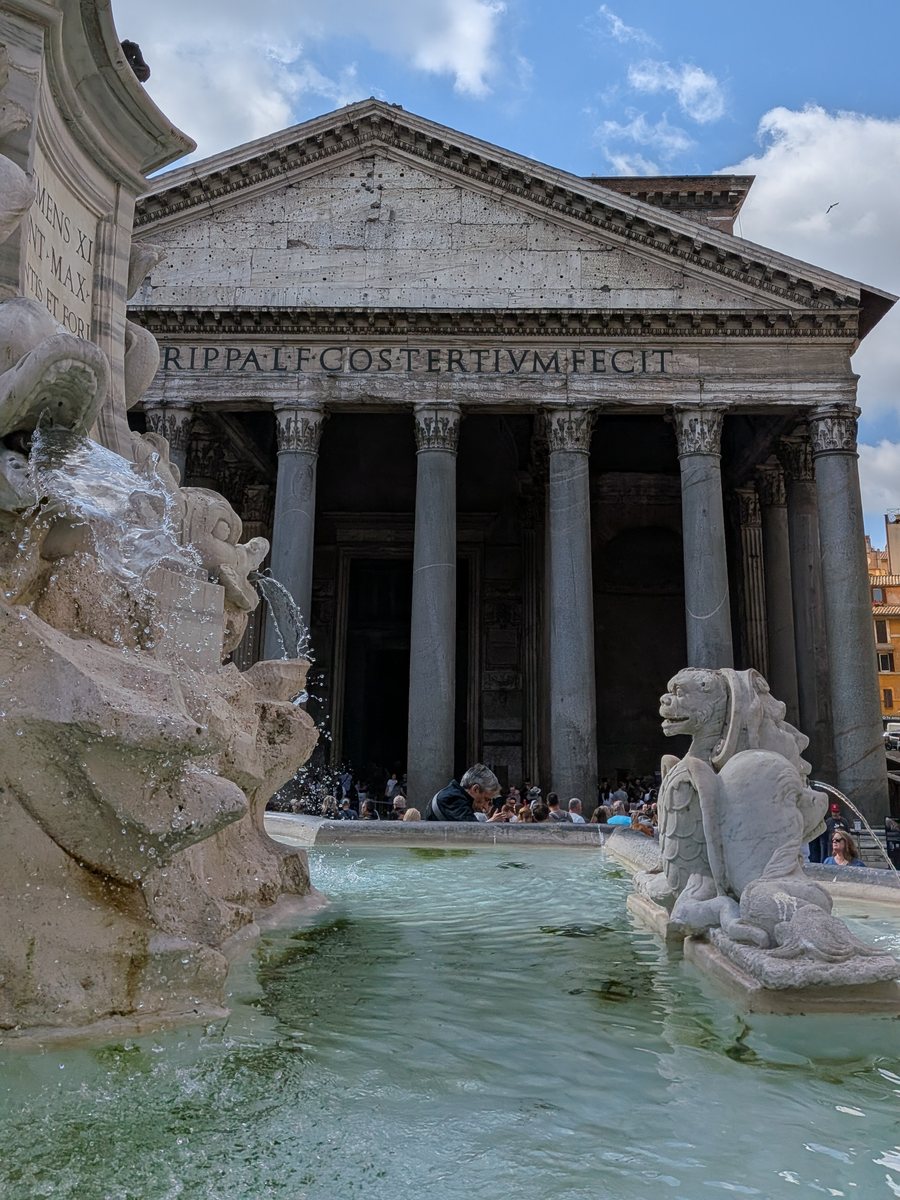
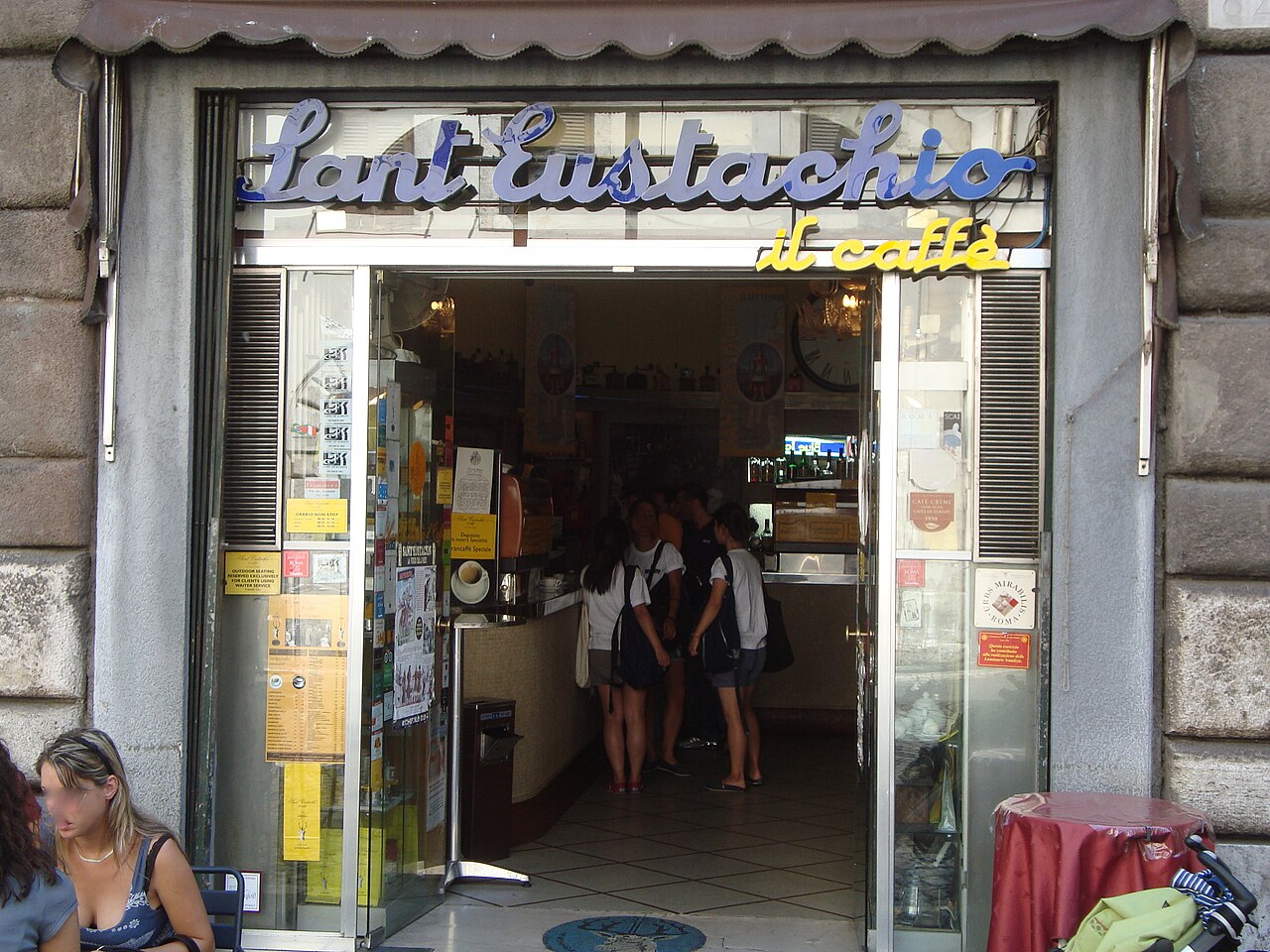
Caffè al vetro — Served in a small glass instead of a cup. Pure theatre — some swear it changes the taste — and the house style at Sant’Eustachio, the celebrated bar between the Pantheon and Piazza Navona. One warning that doubles as a vocabulary lesson: there the coffee arrives già zuccherato — already sugared, whipped into that famous crema. If you want it without, you must say so first: “amaro, per favore” or “senza zucchero.”
Caffè freddo / shakerato — Summer survival. A caffè freddo is chilled espresso; a shakerato is espresso shaken with ice into a small cold foam, sometimes served like a cocktail. From June to September, this is my afternoon order.
Deca — Decaffeinated, short for decaffeinato. No one will judge you. (They will judge you a little.)
Last thing, and it matters: the price at the counter (al banco) and the price at a table (al tavolo) are two different prices, legally displayed and sometimes dramatically far apart in the center. Standing at the bar with the locals is cheaper, faster, and — I will say it — better.